
Introduction
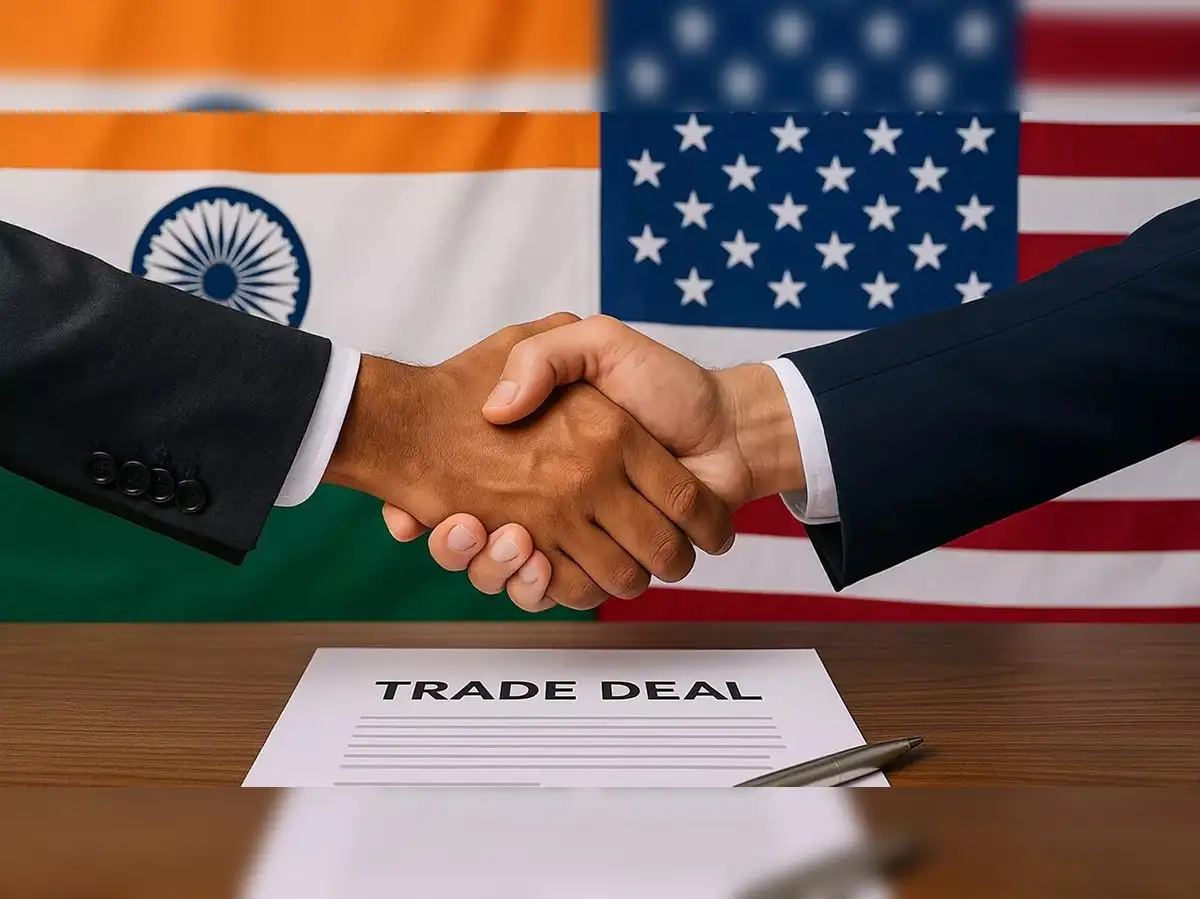
The economic relationship between India and the United States has evolved into one of the most strategically important partnerships in the global economy. With increasing cooperation in technology, defense, energy, and manufacturing, discussions around the India–US trade deal have gained significant public and business attention.
Recently, a term referred to as the “Stephen File” has appeared in news discussions and social media debates. This has created confusion about its connection with official trade negotiations. This article aims to explain the India–US trade deal in clear terms, outline its benefits and challenges, and separate verified facts from speculation related to the so-called Stephen File.
What is the India–US Trade Deal?
The India–US trade deal is not a single comprehensive Free Trade Agreement (FTA). Instead, it represents a group of ongoing negotiations and sector-based cooperation frameworks designed to strengthen bilateral trade and investment.
Key objectives include:
-
Expanding bilateral trade volume beyond USD 500 billion in the long term
-
Strengthening supply chains in critical industries
-
Promoting technology and manufacturing partnerships
-
Encouraging foreign direct investment
The relationship is driven through platforms such as strategic trade dialogues and technology initiatives focused on innovation and industrial growth.
Major Areas of Cooperation
1. Technology and Semiconductors
Both countries are working together on:
-
Semiconductor manufacturing and chip design
-
Artificial intelligence and quantum computing
-
Cybersecurity and telecom infrastructure
This cooperation supports India’s ambition to become a global technology manufacturing hub.
2. Defense and Aerospace
Joint production and technology transfer agreements aim to:
-
Strengthen defense manufacturing in India
-
Reduce dependence on imports
-
Enhance strategic security cooperation
3. Energy and Climate
The partnership includes:
-
Trade in liquefied natural gas (LNG)
-
Renewable energy investments
-
Development of green hydrogen and climate solutions
4. Supply Chain Resilience
A major goal is to reduce over-dependence on a single country for raw materials and electronics by building reliable and diversified supply chains.
Benefits of the Trade Deal
Benefits for India
-
Growth in exports such as IT services, pharmaceuticals, and engineering goods
-
Job creation through foreign investment
-
Access to advanced technology
-
Strengthening of domestic manufacturing
Benefits for the United States
-
Entry into one of the world’s fastest-growing consumer markets
-
Reliable partner in Asia for strategic industries
-
Reduced supply chain risks
-
Increased opportunities for American companies
What is the “Stephen File”?
The “Stephen File” is not an official government document or part of formal India–US trade negotiations. It is a term that has surfaced mainly through media speculation and social discussions.
Important points to note:
-
There is no verified evidence linking the Stephen File to the India–US trade deal
-
It does not represent any signed agreement or policy framework
-
References to it are largely based on interpretations of unrelated legal or personal records
Therefore, it should not be confused with official trade or diplomatic documentation.
Stephen File and Misinformation
In the digital age, information spreads rapidly, often without verification. The Stephen File discussion highlights how:
-
Unverified claims can be presented as facts
-
Social media amplifies partial or misleading narratives
-
Public understanding can be shaped by speculation rather than evidence
Readers should rely on official government statements, reputed international media, and verified trade reports when evaluating such claims.
Challenges in India–US Trade Relations
Despite strong cooperation, several issues remain under negotiation:
-
Tariff disputes on agriculture, steel, and medical devices
-
Differences in digital trade and data protection policies
-
Market access for certain products and services
-
Immigration and skilled worker visa policies
These challenges explain why a full Free Trade Agreement has not yet been finalized.
Future Outlook
The future of the India–US trade partnership is expected to focus on:
-
Deeper technology collaboration
-
Defense manufacturing partnerships
-
Clean energy investments
-
Gradual movement toward phased trade agreements
As geopolitical and economic conditions evolve, this relationship is likely to become one of the most influential trade corridors globally.
Conclusion
The India–US trade deal represents a strategic and economic partnership built on cooperation in technology, manufacturing, energy, and supply chains. While the term “Stephen File” has created curiosity and confusion, it has no proven official connection with trade negotiations.
A clear distinction must be made between verified policy frameworks and speculative narratives. Understanding this difference helps readers make informed judgments based on facts rather than misinformation.
Frequently Asked Questions (FAQ)
Q1. Is there a full Free Trade Agreement (FTA) between India and the United States?
No, there is currently no comprehensive FTA. The relationship is based on sector-wise cooperation and phased negotiations.
Q2. What is the Stephen File in relation to the India–US trade deal?
The Stephen File is not an official trade document and has no confirmed legal or diplomatic link to the India–US trade agreement.
Q3. Which sectors benefit the most from the India–US trade partnership?
Technology, defense, pharmaceuticals, energy, and manufacturing sectors benefit the most.
Q4. Why is the India–US trade relationship strategically important?
It supports economic growth, strengthens supply chains, and enhances cooperation in critical technologies and global security.
Q5. Will India and the United States sign an FTA in the future?
A phased agreement is possible in the future, depending on political consensus and resolution of trade disputes.



No comments:
Post a Comment
Thanks For Your Feedback